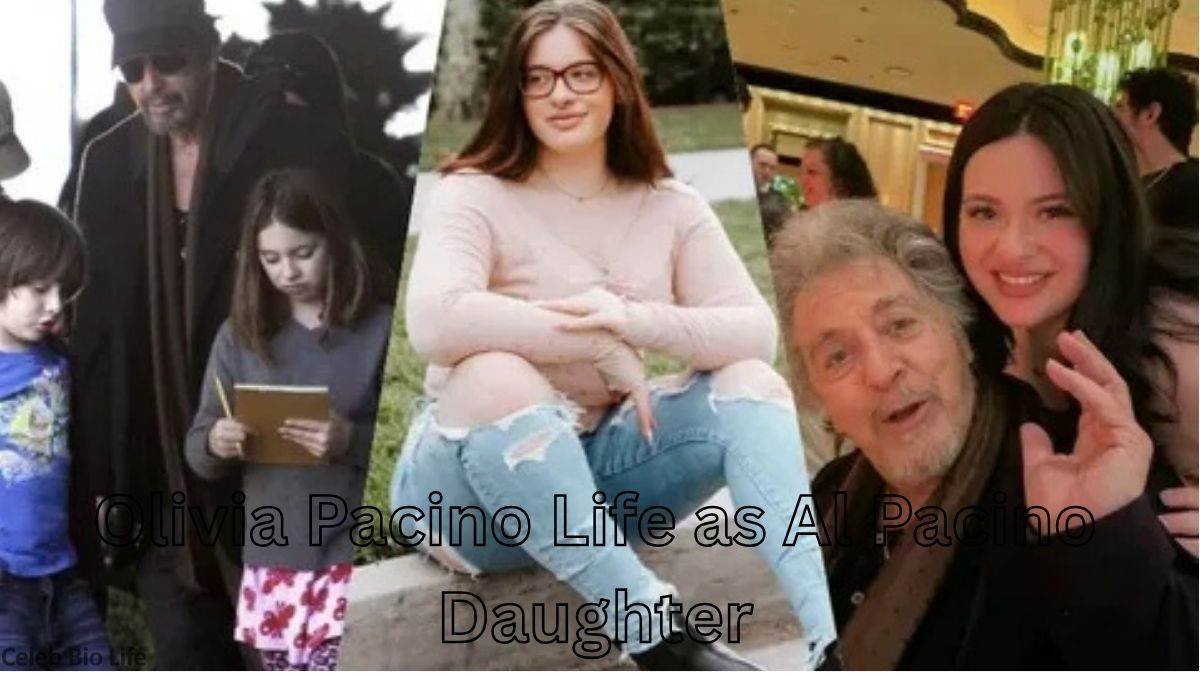
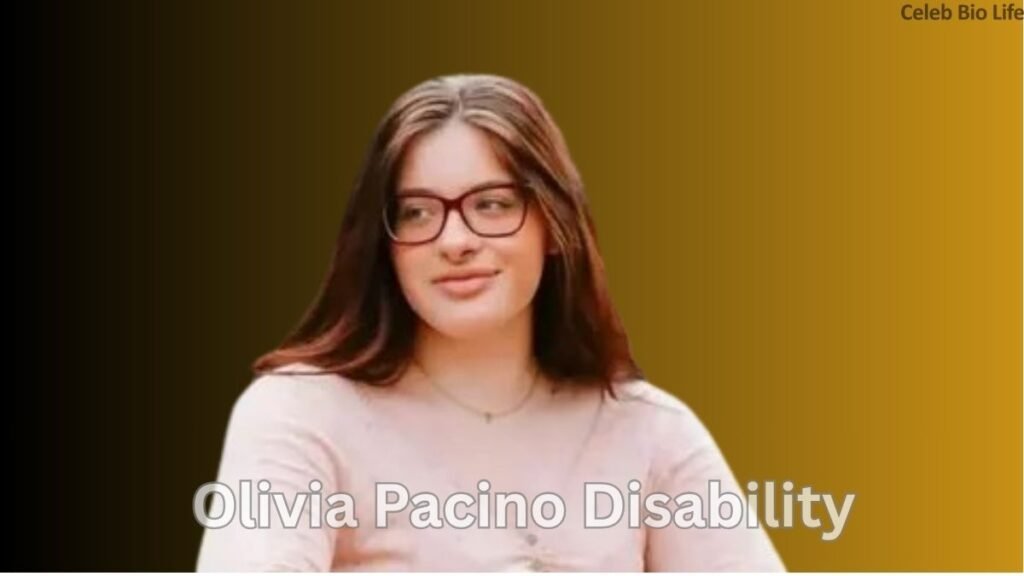
Have you ever searched for something online and found more questions than answers? That happens a lot when people look up Olivia Pacino disability. Some say she has one. Others say it’s just a rumor. Most articles just repeat the same vague information without really helping anyone. So today, let’s change that. This article shares real facts and honest context about Olivia. It offers a respectful view of who she truly is, free from internet noise and guesswork.
Who Is Olivia Pacino ?
Olivia Pacino is a private person. People search for “Olivia Pacino Disability” online because of rumors and curiosity. But there is no real or confirmed proof that she has any disability. This idea is only based on internet talk, not facts. She is the daughter of actor Al Pacino and stays mostly away from public media. She lives a quiet life and focuses on her own growth and education. Many stories about her online are misunderstandings. In truth, she prefers privacy and a normal life away from fame and false claims.
Early Life and Background
Olivia Pacino was born on January 25, 2001, in the United States. She came into the world alongside her twin brother, Anton James Pacino. Their father is Al Pacino one of the most respected actors in Hollywood history. Their mother is Beverly D’Angelo, a talented actress known for her humor, warmth, and strong personality.
From the very beginning, Olivia grew up in a world that most kids never experience. Cameras, red carpets, and famous faces were part of everyday life. But behind all that, she was still just a kid trying to figure things out just like everyone else.
She did not choose fame. She was born into it. And that makes a big difference in how we should treat conversations about her personal life.
Growing Up in a Famous Family
Growing up as Al Pacino’s daughter sounds exciting. And in many ways, it probably was. But it also comes with real pressure. Every little thing gets noticed. Every school decision, every outing, every social media post gets picked apart by strangers online.
Olivia grew up with public attention following her from a young age. Despite that, she managed to build her own identity. She developed her own creative interests, her own voice, and her own way of showing up in the world. She is not just “Al Pacino’s kid.” She is her own person and she has been quietly proving that for years.
The Truth Behind the Olivia Pacino Disability Rumors
What Started These Rumors Online
Here’s where things get interesting. The phrase “Olivia Pacino’s disability” began to trend online after people saw her at a non-traditional school. Some users assumed this meant she had a learning disability or a medical condition. That assumption spread fast and suddenly, it looked like a fact even though it never was one.
This is how the internet works sometimes. One person guesses. Another shares it. A third writes about it. Before long, a guess becomes a “story.” But guessing is not the same as knowing.
Is There Any Verified Information?
No. There is no verified, confirmed, or official information stating that she has any disability. Not from her. Not from her parents. Not from any credible medical source or news outlet.
She has never publicly stated that she has a physical disability, cognitive condition, or developmental disorder. Neither Al Pacino nor Beverly D’Angelo has addressed this topic in any interview. What exists online is speculation nothing more.
Read Also : Dani Ruberti
Misunderstanding About Learning Differences
Here is something important that most people get wrong. Attending a specialized school or using a personalized learning approach does not automatically mean someone has a disability.
Many students across the United States learn differently. Some do better with hands-on activities. Some need flexible schedules. Some simply do not thrive in crowded, traditional classrooms. That does not make them broken. It makes them human.
Learning style and learning disability are two completely different things. Confusing them does real harm to real people.
Her Education Journey That Surprised Everyone
Alternative Learning Methods Explained
Olivia reportedly moved away from a traditional school setting at some point during her education. She found a better fit in a system that offered personalized instruction, project-based learning, and flexible pacing.
These are not special needs programs. These are modern teaching methods used nationwide for all types of students — like gifted kids, creative thinkers, and those who need more room to grow.
Individualized learning plans, small group settings, and self-paced coursework support millions of students each year. Using these tools is a sign of self-awareness, not struggle.
How She Adapted and Grew
What stands out most about her educational path is not the challenges it is how she handled them. She recognized what was not working. She found something better. She moved forward. That takes courage and maturity, especially for a teenager growing up in the spotlight.
Her story is not one of limitation. It is one of resilience, adaptability, and personal growth. Those are qualities worth celebrating not questioning.
Life as the Daughter of Al Pacino
Pressure of Being a Celebrity Child
Being a celebrity child sounds glamorous. But it brings invisible weight that most people never feel. Every mistake gets magnified. Every personal detail becomes public conversation. Every quiet moment can become someone else’s content.
Olivia never signed up for this. She did not audition for fame. She simply has a very famous father. Strangers online often feel entitled to discuss her health, education, and personal choices. They do this without any facts to support their claims.
That is not fair. And it is not right.
Public vs Private Life
Olivia has chosen to share some parts of her life on social media. She posts about fashion, family moments, and her everyday world. But sharing some things does not mean she has opened the door to everything.
There is a difference between public presence and public property. She is a person — not a character in someone else’s story. Her private health information, her educational records, and her personal struggles belong to her alone.
Choosing what to share is her right. Respecting that boundary is our responsibility.
Inside Her Family Life: What People Don’t Know
Most people see the famous last name. They see the red carpet photos. They see Al Pacino accepting awards. But they do not see the quiet, ordinary moments that actually shape a family.
Olivia and her twin brother Anton grew up with two parents. Even after separating, they stayed dedicated to their kids. Beverly D’Angelo has spoken openly about raising twins while managing a career in Hollywood. She describes Olivia as emotionally intelligent, sensitive, and creatively gifted.
Al Pacino, known for keeping his private life close, has also expressed deep love for his children in rare interviews. Their family, though different from most, created something special: warmth, connection, and respect for each other.
Those things do not always make headlines. But they matter far more than any rumor ever could.
How Family Support Shaped Her Confidence
Strong Bond with Parents
One of the clearest things visible through Olivia’s social media is the love she holds for her family. She posts heartfelt moments with her mother. She shows up for her father at public events. She speaks with pride about where she comes from.
That kind of secure attachment to family does not happen by accident. It is built through consistent love, open communication, and emotional safety. Both of her parents worked hard to give her that — even after their relationship ended.
Emotional Support System
Behind every confident young woman is usually a strong support system. For Olivia, that system includes her parents, her twin brother, and the circle of people who genuinely care about her well-being. Emotional support during childhood and teenage years shapes how a person sees themselves. It builds self-esteem, identity, and the courage to face public attention without losing yourself.
Olivia’s confidence shines through her posts, her presence, and her personality. It shows years of being seen, heard, and loved by those closest to her.
The Hidden Impact of Online Labels
Mental and Emotional Effects
When strangers online attach a label to someone — especially a health label — it does not stay on a screen. It follows that person into real life. It shows up in comment sections. It shapes how others treat them. It can even affect how they see themselves. Mental health experts say that false labels and online speculation can cause real harm. Anxiety, withdrawal, and a damaged self-image are common outcomes, especially for young people forming their identity. Olivia is a real person reading real comments. What gets written about her has real consequences.
Why Labels Can Be Harmful
A label applied without truth becomes a cage. It limits how others see someone. It reduces a full, complex human being into a single assumed characteristic. Saying someone “probably has a disability” without proof does not just spread misinformation. It also quietly suggests that having a disability is something to hide or be ashamed of. Further, it implies that a disability explains away a person’s choices. That thinking harms everyone, including those with disabilities who deserve respect and accurate representation.
Read Also : Sumi Somaskanda
Why Speculating About Disabilities Crosses the Line
Personal Health Is Not Public Property
This is simple. A person’s health belongs to them. It is not a topic for strangers to debate, guess about, or turn into content. That rule applies to everyone Famous or not. Medical privacy is a basic human right. In the United States, it is even protected by law in many contexts. Talking publicly about someone’s diagnosis, condition, or health history without their consent isn’t just rude; it’s harmful.
The Harm of Labels and Assumptions
When assumptions about someone’s health go unchallenged, they calcify into “common knowledge.” People start treating the assumption as fact. They share it. They build on it. And the original person, who never confirmed anything has no way to fully undo the damage. This is especially true for young women in the public eye. Assumptions about their bodies, minds, and abilities are common. They are also often completely wrong.
Respect Matters More Than Curiosity
Curiosity is human. Wanting to understand someone you admire is natural. But curiosity has a limit — and that limit is another person’s dignity. When curiosity pushes us to speculate about someone’s private health without their permission, it has crossed a line. At that point, it is no longer curiosity. It is an intrusion. Choosing respect over rumor is always the right call.
Should We Talk About Her Personal Life at All?
Privacy Matters More Than Curiosity
Yes, she is the daughter of a famous actor. Yes, she shares content online. But neither of those facts erases her right to privacy. Public figures, especially their children, need space to live without constant scrutiny of their lives. She did not run for office. She did not sign a contract with the public. She simply has a famous parent. That alone does not obligate her to share every detail of her life with the world.
Ethical Responsibility Online
Everyone who writes, shares, or comments online has a bit of responsibility for the information environment. When content about someone’s supposed disability spreads even with good intentions it still does harm. Responsible content creation means asking: Is this true? Is this verified? Does sharing this help or hurt? If the answer is unclear, the right move is always to pause before posting.
What This Story Teaches Us (Important Lesson)
Don’t Believe Everything Online
This situation is a perfect example of how fast misinformation moves. A rumor rooted in a misread school choice grew into a widely searched topic with no factual foundation. Before accepting anything as true especially about someone’s personal health ask for a source. Look for verified reporting. Check whether the person themselves has confirmed the information. If none of that exists, treat the claim as unverified. Critical thinking is one of the most important skills anyone can develop in the digital age.
Respect Over Rumors
At the end of the day, this is not really about Olivia Pacino. It is about how we treat each other online. It is about the choices we make when curiosity pulls us toward someone’s private life. Choosing to seek rather than drama. Choosing to protect dignity rather than spread speculation. These choices make the internet and the world a better place for everyone.
Olivia Pacino’s Strengths, Talent & Achievements
Creative Side and Personality
Olivia is far more than a name attached to a famous father. She has a distinct creative personality that comes through clearly in everything she shares. Her fashion choices are bold and thoughtful. Her photographic sense shows a genuine artistic eye. Her captions carry emotional depth and self-awareness that many adults take years to develop. She expresses herself with authenticity. She does not pretend to be someone she is not. And in a world full of carefully constructed celebrity personas, that honesty is genuinely refreshing.
What Makes Her Stand Out
What sets her apart is how she lives on her own terms. She does this quietly, confidently, and without needing approval from those who don’t know her. She has faced public curiosity, online speculation, and the constant pressure of living under a famous name. And she has handled all of it with a grace that speaks volumes about her character. Her story is one of quiet strength and that is something worth recognizing.
How Social Media Spread Confusion Around Her Name
Why This Topic Went Viral
Celebrity children attract a lot of attention. People feel a strong bond with famous families, so news about them spreads fast. When someone searches for a public figure’s child and finds unclear, unverified content, the algorithm sees that as interest. So, it promotes the topic even more. Search trends, catchy headlines, and content that sparks curiosity all helped this spread. None of it required any facts. It just required clicks.
Role of Online Speculation
Online platforms are not built to slow down. They are built to accelerate engagement. That means false information moves just as fast sometimes faster than accurate information. Algorithmic amplification rewards content that triggers emotion. Speculation about a celebrity child’s disability triggers curiosity and concern. That combination makes it spread fast and stick around long.
How Misinformation Spreads Quickly
Here is the basic pattern. Someone posts a question: “Does Olivia Pacino have a disability?” Someone else shares it with a comment. A third person writes an article to capture the search traffic. Within weeks, the question looks like an established topic — even though no one ever answered it with actual facts. Digital literacy means knowing this cycle and choosing not to join in until you check the facts first.
Conclusion
The truth about is very simple: there is no confirmed evidence, no verified diagnosis, and no official statement supporting these rumors. Much of the information online about Olivia Pacino disability stems from misunderstandings and social media speculation, rather than facts. She is a private person who focuses on her own life. Her family supports her, and she doesn’t owe the public any explanations about her health or choices. Instead of repeating unverified claims, it is important to focus on respect and accuracy. In the end, discussions should always prioritize, privacy, and basic human dignity.
Frequently Asked Questions
Does Olivia Pacino have any confirmed disability?
No. There is no official statement, medical proof, or verified report that confirms she has any disability. All online claims are based on speculation without any factual foundation.
Why do people search “Olivia Pacino disability” online?
The search grew from misunderstandings about her non-traditional schooling. People assumed it meant a disability, but personalized learning styles are common and do not confirm any condition.
Has Al Pacino ever spoken about his daughter’s health?
No. Al Pacino has not publicly addressed any health or disability topic related to Olivia. He keeps his children’s personal lives private, which is completely his right.
Is it okay to speculate about a celebrity child’s disability?
No. Speculating about someone’s health, especially without evidence, can cause real emotional harm and spread misinformation. Personal health is private, regardless of someone’s family background.
What is Olivia Pacino known for today?
She is well-known for her lively social media presence, creative spirit, fashion content, and strong bond with both parents. She is building her identity beyond her famous last name.