
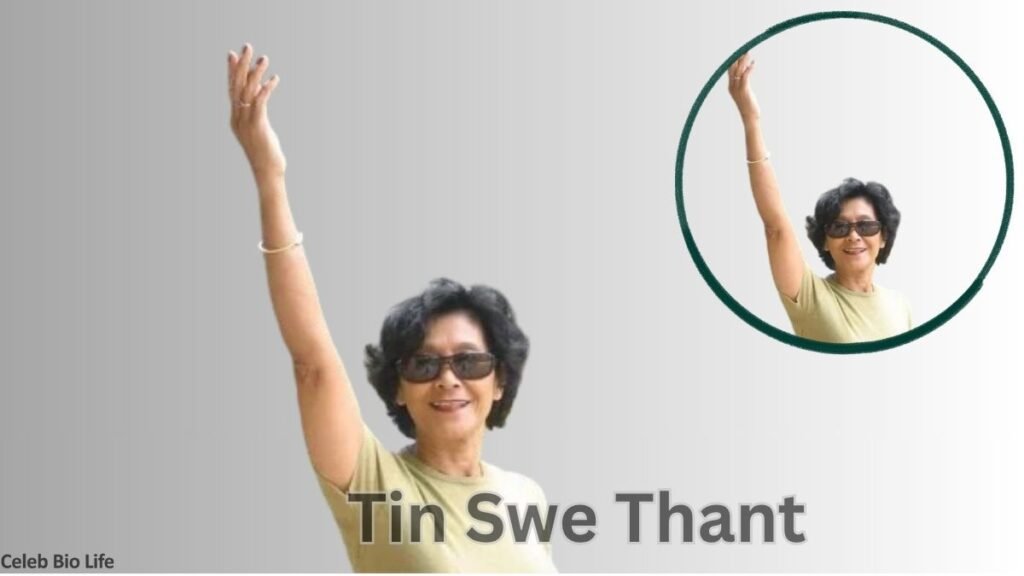
Tin Swe Thant is the mother of journalist Alex Wagner. But her own life tells an important story about culture, identity, and starting over in a new country. She was born in Burma, which is now called Myanmar. When she went to school, she was told she could not use her real name. She had to take an English name instead. This changed how people saw her. But later in life, she took back her real name and kept her Burmese culture alive.
Her journey from Burma to America, her education, and her role as a mother all show what it means to hold onto your culture while also fitting into a new place. Her daughter Alex has written about her mother’s experiences. Through these stories, Tin Swe Thant’s life has reached many people and started important talks about identity and belonging.
Quick Facts About Tin Swe Thant
| Category | Information |
|---|---|
| Full Name | Tin Swe Thant |
| Birthplace | Near Rangoon (now Yangon), Burma (now Myanmar) |
| Nationality | Burmese-American |
| Ethnicity | Burmese |
| School Name | Maureen Thant Gyi |
| Education | Swarthmore College (Political Science) |
| Known For | Mother of journalist Alex Wagner |
| Former Husband | Carl Wagner (divorced) |
| Children | Alex Wagner |
| Grandchildren | Cy Mindon Wagner, Rafael Thiha Wagner |
| Current Home | United States (private) |
| Public Life | Private and quiet |
Tin Swe Thant Growing Up in Burma
She grew up near Rangoon, which was the capital of Burma at that time. The city sits on the delta of the Irrawaddy River. She was a child during the last years of British colonial rule. The British system affected many parts of daily life. It changed schools, language, and even how people were named.
Her family followed Burmese traditions. They valued education, respect, and staying close to family. Like many families in Burma at that time, they lived between two worlds. One world was traditional Burmese culture. The other world was British colonial rules and customs. This mix shaped how Tin Swe Thant thought about who she was.
Later, she told her daughter stories about Burma. She talked about beautiful flowers, rainy seasons, teatime, and school uniforms. These memories made Burma sound beautiful and peaceful. But she did not talk much about the political problems of the time. A military coup later forced her family to leave their home country.
Her Burmese Family Background
Tin Swe Thant comes from a Burmese family. Her family’s history is connected to Burmese culture and traditions. Public records do not give many details about her specific family members. But her background is similar to many Burmese families who lived through the change from colonial rule to independence.
Burmese naming is different from Western naming. Burmese names do not have a fixed first name and last name like in America. Instead, names are made of meaningful parts. These parts do not always show family ties the way Western last names do. This difference caused problems when She went to English-language schools.
Her family left Burma after a military coup in the 1960s. Many Burmese families did the same thing. They were looking for safety and better chances in life. Her mother and grandmother eventually came to the United States. They brought their stories, their traditions, and their values with them.
The Story of Her Name
The story of Tin Swe Thant’s name is one of the most important parts of her life. When her father enrolled her in an English-language school, the headmaster said she could not use her Burmese name. She had to have an English name instead.
Her father was surprised by this rule. He had not thought about giving her an English name because she already had a good name. He had to think fast. He remembered an Irish-American actress named Maureen O’Hara. So he chose the name Maureen. At school, she became “Maureen Thant Gyi.” She kept her father’s last name but lost the name her family had given her.
This was not her choice. The school made her do it. This reflected a colonial attitude that non-Western names were not good enough. She never forgot this experience. Later, her daughter Alex thought about this story with sadness and anger. She said her mother’s Asian identity was erased by the school. People just accepted it and did not question it.
The name change shows something bigger than one girl’s school experience. It shows how colonial systems pushed people to give up parts of their identity. For Tin Swe Thant, the name “Maureen” was only temporary. She later took back her real name in America. But she never forgot that moment. It influenced how her daughter thought about race and identity.
Starting a New Life in America
She moved to the United States in the 1960s. This was a time of big changes in America. The civil rights movement was happening. People were protesting the Vietnam War. Immigration rules were also changing. For Tin, moving to America meant both new chances and new challenges.
Leaving Burma meant leaving behind family, friends, and the culture she grew up with. Like many immigrants, she had to learn a new language and new customs. She also had to deal with how Americans saw race and immigrants during a time when these issues were being debated.
One meaningful detail about her move is that she used her real name in college. She enrolled as Tin Swe Thant. This was an important choice. After years of being called “Maureen” in school, she decided to be herself again. She did not have to follow Western rules anymore. She could be who she really was.
Her daughter Alex has said that Tin used her Burmese name in America but still fit into American culture in many ways. This balance between keeping your heritage and adapting to a new country is something many immigrants understand. She handled this balance with quiet strength.
Education at Swarthmore College
She went to Swarthmore College in Pennsylvania. This is a well-known school that values deep learning and progressive ideas. She studied political science. This subject looks at how governments work and how people are affected by systems of power.
Her choice of study showed she was interested in how societies are organized. This curiosity later influenced her daughter Alex, who became a journalist and political commentator.
Swarthmore gave Tin Swe Thant a place to grow her ideas and build confidence. She was an immigrant in a new country, and college helped her feel more at home. The school’s values emphasized respect for all people and a commitment to fairness. For a woman from Burma, this was a place where she could learn and grow.
Not many details about her academic life are publicly known. But her time at Swarthmore was an important step. It showed her move from being a new immigrant to becoming an educated professional ready to build a life in America.
Building a Career
There is not much public information about Tin Swe Thant’s career. She has lived a private life away from public attention. Most details about her work come from a few sources rather than complete records.
Some sources say she worked at the Teamsters union after returning to Washington, D.C. But this information is not widely confirmed. Her career path has not been fully documented.
What is clear is that She is more important for her personal journey and her role as a mother than for a public career. She represents the many immigrants whose stories are not widely known but who still contribute to their families and communities.
She focused on education and family rather than public recognition. This shows her values. She wanted to raise her daughter with a strong sense of identity and cultural awareness.
Her Marriage to Carl Wagner
She married Carl Wagner, an American political consultant from Iowa. Carl had a successful career in Democratic politics. He helped lead Bill Clinton’s presidential campaign in 1992.
Their marriage brought together two very different backgrounds. Tin came from Burma with Buddhist traditions and Southeast Asian culture. Carl came from the American Midwest with European roots and a Catholic upbringing. Despite their differences, they built a life together and raised a daughter who grew up with both cultures.
The marriage later ended in divorce. Carl Wagner died in 2017. Even after their marriage ended, both parents stayed important in their daughter’s life. Their different backgrounds gave Alex Wagner a special view of identity, race, and belonging. She later wrote about these themes in her journalism and books.
Building a Family
Tin Swe Thant and Carl Wagner made a home in Washington, D.C. They raised their only child, Alex Wagner, there. Their household mixed Burmese and American traditions. Their daughter grew up with both cultures from a young age.
The family encouraged curiosity about the world. Tin shared stories about Burma. She often focused on the beautiful parts and did not talk much about political struggles. Carl brought his experience in American politics. Their home was a place where public affairs and national issues were common topics.
For Alex, growing up in a multicultural home meant moving between different worlds. She was exposed to her parents’ different backgrounds but never fully lived in either one. This experience shaped how she thought about identity and belonging. These themes later became important in her professional work.
The Mother Behind Alex Wagner

Tin Swe Thant is best known as the mother of Alex Wagner. Alex is a well-known American journalist, author, and television host. She has hosted news programs, co-hosted documentary series, and written about identity and belonging.
But She is more than just a famous person’s mother. Her own life story—her childhood in Burma, her forced name change, her move to America, and her commitment to her heritage—has shaped her daughter’s understanding of identity in deep ways.
Alex has talked and written a lot about her mother’s influence. In interviews and in her work, she has shared stories about Tin’s experiences. She has reflected on how these experiences shaped her own views on race, culture, and belonging. The story of Tin’s name change became a key part of Alex’s exploration of Asian-American identity.
Through her daughter’s work, Her story has reached more people. It has contributed to important conversations about immigration, fitting in, and keeping your culture.
Shaping Alex Wagner’s Identity
Tin Swe Thant’s experiences had a lasting effect on her daughter’s sense of self. Growing up with a Burmese mother and a white American father, Alex Wagner often faced questions about where she belonged.
One memorable moment happened when Alex was 12 years old. She was eating at a diner with her father. A white cook asked if she was adopted. The question showed how some people could not understand that a white man could have an Asian daughter. Alex later said she felt embarrassed by how she looked. She tried to explain that her mother was Asian.
This experience, and others like it, made Alex very aware of how others saw her mixed-race identity. Her mother’s stories about Burma—the flowers, the rains, the teatime rituals—gave her a connection to a heritage she could not always see in her daily life.
She also showed her daughter how to live between cultures. She embraced American life while keeping her Burmese name and passing down traditions. This balance showed Alex that it was possible to belong to more than one culture without losing yourself.
The name change story, especially, became a powerful example for Alex. It showed how colonial systems had tried to erase her mother’s identity. The story made Alex more committed to exploring and honoring her heritage.
Keeping Burmese Heritage Alive
Even though she has lived far from Burma for many years, She has kept her Burmese heritage alive in her family. She has done this through small but meaningful actions: sharing stories, passing down traditions, and making sure Burmese names continue in the next generation.
Food has been one way to keep cultural connections. Traditional Burmese dishes bring back memories of home. They help younger generations experience a culture they may not know well. While specific details about Tin’s cooking are not widely known, food is a common way for immigrant families to stay connected to their homeland.
Names have been another important connection. When Alex Wagner had children, the family chose Burmese middle names for them. Their first son got the Burmese middle name Mindon. Their second son got the name Thiha, which means “lion.”
Tin Swe Thant herself suggested the name Thiha for her younger grandson. She called her daughter weeks before he was born and told her the name she had chosen. This act of naming shows her ongoing commitment to keeping Burmese heritage in her family’s future.
Life Between Two Cultures
Living between two cultures is a big part of Her life. She was born and raised in Burma with its Buddhist traditions, Burmese language, and Southeast Asian customs. Then she moved to the United States. She adapted to American culture, English, and Western social norms.
This double identity is common among immigrants. But it comes with special challenges. There is the challenge of staying connected to a homeland that is far away. There is the challenge of raising children who may not fully understand their ancestors’ culture. And there is the challenge of finding a sense of belonging in a new country while not completely letting go of the old one.
Tin Swe Thant faced these challenges with quiet strength. She kept her Burmese name. Many immigrants change or shorten their names to fit in, but she did not. She passed down stories and traditions to her daughter. And she stayed connected to Burmese culture even as she built a life in America.
Her daughter Alex has said that her mother’s memories of Burma were often romantic and poetic. She focused on the beauty rather than the political struggles. This may have been a way to keep the good parts of her heritage while leaving behind the painful reasons for leaving.
Motherhood and Grandmotherhood
Being a mother and grandmother has been central to life. She raised her daughter Alex with a strong sense of identity and cultural awareness, even though they lived far from Burma.
As a mother, Tin focused on values, discipline, and education. She encouraged her daughter to think carefully and to understand her heritage. She also gave emotional support and stability. She created a home where Alex could grow and develop her own sense of self.
Her influence has also reached her grandchildren. As mentioned, she suggested the Burmese name Thiha for her younger grandson. This act of naming shows her ongoing commitment to keeping Burmese heritage across generations.
Through her grandchildren, Tin Swe Thant’s legacy continues. The names Mindon and Thiha connect the youngest generation to their Burmese roots. Even if they grow up far from Myanmar, these names keep the culture alive. This is how culture continues—not through big actions, but through small, meaningful acts of preservation.
A Life Away From the Spotlight
She has lived a mostly private life. She has avoided the public attention that comes with being the mother of a well-known journalist. She has not looked for fame or recognition. Most details about her life come through her daughter’s writings and interviews.
She reportedly lives in the United States. Some say she lives in Washington, D.C., or on Long Island, New York. But her exact location is not publicly confirmed. This shows her commitment to privacy.
Her social media presence is very small. One account describes her as a “Burmese humanist, food lover, and cat enthusiast.” Her activity on the platform appears personal rather than public or professional.
This private lifestyle is different from her daughter’s public career. But it fits with Tin Swe Thant’s values. She has never sought attention for herself. Her story has reached more people through her daughter’s work, but she herself has stayed out of the spotlight.
Age and Birthday
She exact age and birth date are not publicly confirmed. Some sources mention general timelines, like her move to the United States in the 1960s. But there is no reliable record of her birthday.
This lack of public information fits with her private lifestyle. She has not shared personal details like her age with the public. It is important to respect her privacy.
What is known is that she was born in Burma and moved to the United States in the late 1960s. Beyond that, details about her age remain private. It is best to avoid guessing.
Net Worth and Income
There is no publicly confirmed information about Her net worth or income. She has always lived a private life. She has not shared financial details with the public.
Her focus has been on family, education, and cultural preservation. She has not focused on financial success or public recognition. Because of this, any numbers found online should be treated with caution.
Her real value is not in money. It is in the influence she has had on her family and the cultural legacy she has passed down.
Where Tin Swe Thant Is Today
Tin Swe Thant continues to live a quiet, private life in the United States. She stays out of the public spotlight. She focuses on her family and personal interests.
Her influence continues through her daughter Alex Wagner’s work. It also continues through her grandchildren, who carry Burmese names that connect them to their heritage. She has succeeded in keeping her culture alive across generations. She has done this even while living far from the country where she was born.
Her story reminds us that identity cannot be erased by outside forces. Even though she was required to use an English name in school, She took back her given name. She passed down her heritage to her children and grandchildren. Her journey shows the strength of immigrants who build new lives while staying connected to who they are.
Related Post : Carlos Alman
Conclusion
Tin Swe Thant’s life shows us the power of resilience, cultural pride, and quiet strength. From her childhood in Burma, where she was forced to take an English name, to her move to the United States and her role as a mother and grandmother, she has faced the challenges of living between two cultures with grace and determination.
Her experiences have shaped her daughter Alex Wagner’s work. They have also added to important conversations about identity, race, and belonging. By preserving Burmese names, traditions, and stories, Tin Swe Thant has ensured her heritage will continue for generations to come.
Her story reminds us that identity cannot be taken away. Even when systems try to erase it, culture lives on through family, memory, and the small acts of preservation that connect us to where we come from.
Frequently Asked Questions
Who is Tin Swe Thant?
Tin Swe Thant is a Burmese-American woman born in Burma (now Myanmar). She is best known as the mother of journalist Alex Wagner. But her own life story tells us about cultural identity, immigration, and strength.
Where was Tin Swe Thant born?
She was born near Rangoon (now Yangon), Burma (now Myanmar). This city sits on the delta of the Irrawaddy River.
Why was Tin Swe Thant called Maureen?
When her father enrolled her in an English-language school, the headmaster required an English name. Her father chose Maureen after an Irish-American actress named Maureen O’Hara.
Where did Tin Swe Thant go to college?
She went to Swarthmore College in Pennsylvania. She studied political science there.
Who was Tin Swe Thant married to?
She was married to Carl Wagner. He was an American political consultant who helped lead Bill Clinton’s 1992 presidential campaign. Their marriage ended in divorce.